
Psychological Evaluations

Discover the “why” behind persistent emotional and behavioral challenges. Our licensed psychologists provide in-depth assessments for children, teens, and adults to accurately diagnose mood disorders, anxiety, trauma, and personality functioning. Move beyond guesswork with a jargon-free, actionable roadmap designed to guide your therapy and help you regain balance and confidence.

apathetic woman staring at her phone, medication is and water are on the table beside her
Constructive Psychotherapy, Medication Management, Mood and Anxiety Disorders, Psychological Evaluations

Zoloft and Emotional Blunting: What’s Happening and What You Can Do

Zoloft is one of the most commonly prescribed antidepressants in the United States, and for many people, it offers relief from depression and anxiety. But there’s a side effect that doesn’t always make it into the initial conversation with a prescriber: emotional blunting. If you’ve been taking Zoloft and noticed that something feels off, that life seems duller, flatter, or somehow more distant, you’re not imagining it, and you’re far from alone.

EMDR & Trauma, Harm Reduction & Abstinence Based Psychotherapy, Substance Use Evaluations

Alcohol and Anxiety Attacks: Why Drinking Often Makes Things Worse

If you’ve reached for a drink to calm racing thoughts or quiet the tension in your chest, you’re not alone. A lot of people do this, and at the moment, it works. Alcohol genuinely reduces anxiety in the short term. The trouble is that the relationship between alcohol and anxiety attacks is more complicated than it looks, and for many people, regular drinking subtly works against them over time.

Harm Reduction & Abstinence Based Psychotherapy, Mood and Anxiety Disorders, Substance Use Evaluations

Hangxiety: What It Is, Why It Happens, and How to Feel Better

If you’ve ever woken up after a night of drinking with a racing heart, overwhelming dread, or a crushing sense of embarrassment, you’re not alone. That feeling has a name: hangxiety. A blend of “hangover” and “anxiety,” hangxiety is the wave of anxious, shame-filled, or emotionally raw feelings that can follow alcohol consumption. It’s real, it’s common, and it can feel genuinely distressing. The good news? Understanding what’s happening in your body and mind is the first step toward finding relief.

Diagnostic Clarification, Mood and Anxiety Disorders, Psychological Evaluations

Anxiety and Suicidal Thoughts: You Are Not Alone

If you’re dealing with anxiety and suicidal thoughts at the same time, the weight of that can feel unbearable — like your mind won’t give you a moment’s peace and there’s no way out. First, and most importantly: you are not alone, and what you’re going through is real. These two experiences co-occur more often than most people realize, and with the right support, things can genuinely get better. This article is here to help you understand what’s happening, why it happens, and what effective treatment actually looks like.

upset child crying, head in her hand
Child Emotional & Academic Support, Mood and Anxiety Disorders, Psychological Evaluations

Why Diagnosing Mood Disorders in Children and Adolescents Early On is So Important

Understanding emotional and behavioral health is the first essential step toward finding balance and making meaningful changes. For parents, watching a child struggle with intense emotions can feel overwhelming, especially when those challenges impact school, friendships, and home life. At the Center for Effective Treatment, we specialize in diagnosing mood disorders in children through a comprehensive psychological evaluation designed to answer the fundamental question: “What is truly going on? “. By moving past surface-level symptoms, we help families gain the clarity needed to move forward with confidence and purpose.

Constructive Psychotherapy, Diagnostic Clarification, Mood and Anxiety Disorders

Borderline Personality Disorder vs Bipolar Disorder: Understanding the Differences

Confusion around borderline personality disorder vs bipolar disorder is extremely common—and completely understandable. Both conditions can involve intense emotions, mood changes, and challenges in relationships, and they are often misunderstood, misdiagnosed, or conflated with one another. For individuals seeking answers for themselves or a loved one, this overlap can feel overwhelming and frustrating.

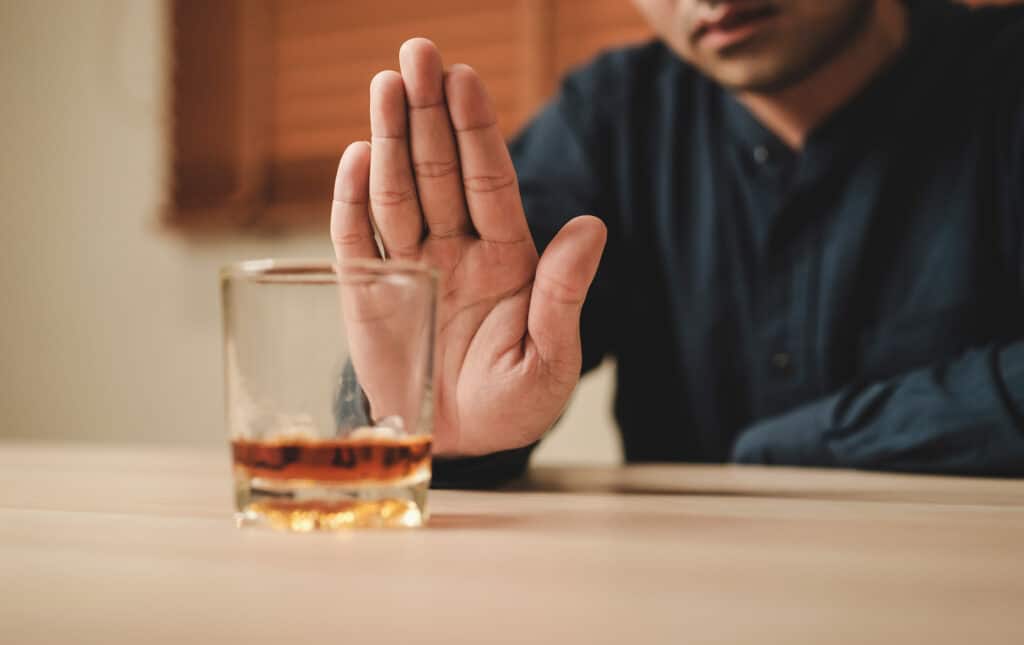
hand pushing away alcohol
Harm Reduction & Abstinence Based Psychotherapy, Psychological Evaluations, Substance Use Evaluations

Harm Reduction vs. Abstinence: Finding the Right Path to Recovery

When it comes to treating substance use and addiction, there is no single approach that fits everyone. Recovery is a deeply personal journey, shaped by an individual’s history, values, and goals. Two of the most widely discussed approaches in modern therapy are harm reduction and abstinence-based treatment. Understanding the differences between harm reduction vs abstinence—and how to choose the right one—can make a profound difference in achieving lasting recovery.

talking with therapist about political stress
Acceptance & Commitment Therapy (ACT), Mood and Anxiety Disorders, Psychological Evaluations

The Definitive Guide to Political Stress and Mental Health

In today’s world, it’s hard to ignore the constant news cycle. For many, the current political landscape isn’t just a topic of debate—it’s a significant source of anxiety, stress, and even depression. This guide will explore the psychological effects of political stress and provide strategies to help you manage the emotional toll.

man in therapy for anxiety avoidance talking with hands
DBT Therapy, EMDR & Trauma, Mood and Anxiety Disorders, Psychological Evaluations

The Anxiety Avoidance Cycle: Why Traditional Methods Fail and How Our Approach Can Help You Break Free 

Anxiety can be overwhelming, often leading us to make choices that provide immediate relief but unintentionally keep us stuck. In fact, in order to avoid anxiety, many people fall into the anxiety avoidance cycle–a pattern where they steer clear of situations, people, or experiences that trigger distress. While avoidance may bring temporary relief, it reinforces anxiety in the long run, making life feel smaller and more restricted. 

Scroll to Top