

In today’s world, it’s hard to ignore the constant news cycle. For many, the current political landscape isn’t just a topic of debate—it’s a significant source of anxiety, stress, and even depression. This guide will explore the psychological effects of political stress and provide strategies to help you manage the emotional toll.
What is Political Stress anad Why Does It Feel So Heavy?
Political stress is a modern phenomenon, defined as the chronic, low-level anxiety caused by political events, news, and conflict. It feels so heavy because it taps into our core human needs for safety and control. When major political decisions or social changes feel out of our hands, our brains can interpret the situation as a constant threat. This leads to a state of information overload and heightened emotional reactivity, making it difficult to feel calm or centered.
The Universal Impact: Political Stress Affects All Political Parties
It’s common to believe that political stress only affects those on the “other side” of the aisle. However, the anxiety, frustration, and fear that politics can bring are universal emotions that affect us all. The constant, high-stakes nature of modern politics—fueled by social media and a 24/7 news cycle—can be a source of shared mental health challenges, regardless of who you vote for. For some, stress can come from a perceived threat to personal liberty, constitutional rights, or a sense of national identity. For others, the stress may arise from a perceived threat to social safety nets, human rights, or the environment. The underlying emotions of helplessness, anger, and anxiety are the same, even if the specific issues are different. Acknowledging these feelings as valid and human, no matter their source, is the first step in learning how to deal with political stress.
The Disproportionate Impact of Political Stress on Different Communities
While political stress is a universal experience, its impact is not felt equally. For marginalized and minority groups, political events can have a more direct and severe effect on their mental well-being.
On Minorities and People of Color
For these communities, political conversations about immigration, justice, and systemic racism can feel like a direct threat to their safety and well-being, leading to a profound sense of vulnerability. This ongoing trauma can make it difficult to engage with politics without a heightened state of anxiety.
On Women
Political debates over issues like reproductive rights and workplace equality can create significant stress, as they directly impact personal autonomy and future well-being. This can contribute to feelings of anger, anxiety, and a sense of powerlessness.
On the LGBTQ+ Community
Ongoing debates and legislation regarding gender identity, sexual orientation, and rights create a hostile climate, leading to what is known as “minority stress.” It is a powerful and debilitating form of chronic anxiety and fear. For many in the community, challenging gender norms is a part of their daily life, and the political landscape often intensifies this struggle.
On Immigrant and Refugee Communities
Political rhetoric and policy debates surrounding immigration, asylum, and deportation can create a constant state of fear and uncertainty. For individuals in these communities, politics is not an abstract concept; it is a direct threat to their family’s security and future. This can lead to a state of chronic stress, as they navigate a public conversation that often dehumanizes their experience and creates a sense of constant vulnerability and anxiety.
On Individuals with Disabilities
For people with disabilities, political decisions regarding healthcare, social security benefits, and accessibility regulations can cause significant anxiety. The debates over these essential support systems are not just policy discussions—they are direct threats to their independence, financial stability, and access to services. This can lead to a feeling of powerlessness and a constant, low-level stress about their ability to live securely.
On the Elderly and Retired
Political debates over Social Security, Medicare, and other retirement benefits can create deep-seated fear and anxiety for the elderly. For this community, who may live on fixed incomes, political changes can be perceived as a direct threat to their financial stability and ability to access essential healthcare. The uncertainty surrounding these critical programs can cast a shadow of worry over what should be a time of peace and dignity.
6 Strategies on How to Deal with Political Stress
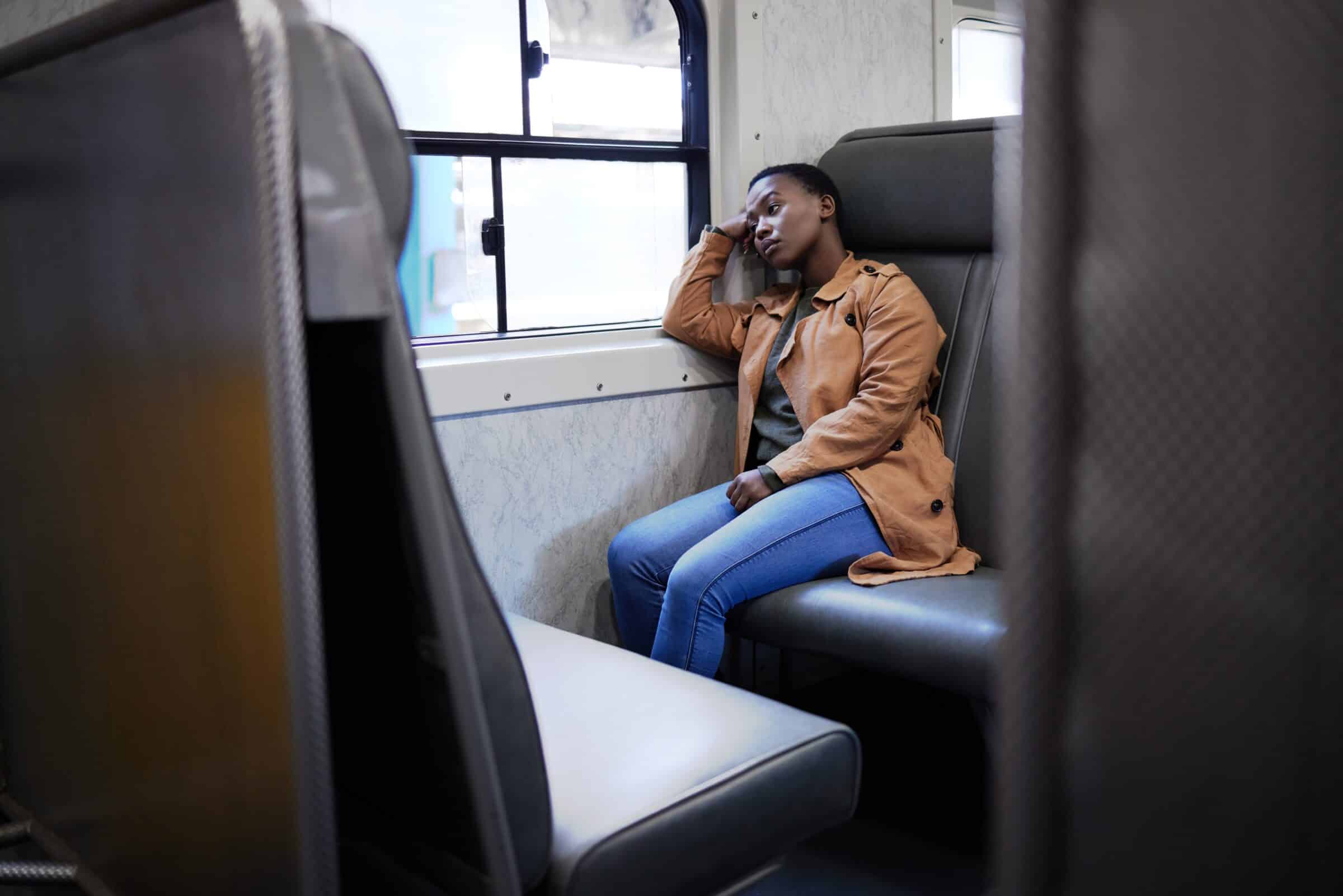
Taking control of your well-being in a challenging political climate is possible. Here are some strategies on how to deal with political stress:
1. Limit Media Consumption
In today’s world, staying informed can easily turn into “doomscrolling,” a habit of endlessly consuming negative political news that fuels anxiety and hopelessness. To manage this, set clear boundaries. Dedicate specific, limited times to check headlines from a few trusted sources rather than leaving yourself open to a constant barrage of alerts. Turn off notifications for news apps and social media, and remember that you can remain an engaged citizen without being connected to every update 24/7. This intentional distance can significantly reduce your emotional and psychological load.
2. Focus on What You Can Control
Political stress often stems from a profound feeling of powerlessness. A powerful antidote is to shift your energy toward what is within your “sphere of control.” This isn’t about ignoring a problem; it’s about channeling your worries into meaningful action. For example, you can volunteer for a local cause you believe in, engage in a personal creative project, or simply focus on nurturing your relationships. These actions restore a sense of agency and purpose, reminding you that while you can’t control the big picture, you can make a tangible difference in your own life and community.
3. Practice Mindful Disengagement
Many of us fall into the anxiety avoidance cycle, where we avoid our emotions by constantly seeking distraction—often through more media consumption. Mindful disengagement is the opposite. It’s the conscious choice to step away from a stressful conversation or news feed and simply observe your feelings without judgment. When you feel overwhelmed, take a deep breath and ask yourself, “How is this affecting me right now?” Acknowledging the anxiety or frustration allows you to break the cycle and choose a healthier response, rather than react impulsively.
4. Find a Trusted Community
Political stress can be isolating, especially when you feel like no one understands what you’re going through. Finding a trusted community, whether it’s a support group, a close circle of friends, or an online forum, can be a powerful antidote to this feeling. Sharing your feelings in a safe, non-judgmental space provides validation and reminds you that you are not alone in your experience. This shared support can help you process your emotions in a healthy way and build a greater sense of belonging.
5. Utilize a Coping Toolkit
Healthy coping is about having a set of tools you can turn to in moments of stress. Learn and practice simple, yet powerful, skills like mindfulness and deep breathing. When you breathe deeply, you activate your body’s parasympathetic nervous system, signaling to your brain that you are safe and helping to calm your racing heart. Additionally, engaging in hobbies like journaling or exercise can serve as healthy outlets for stress. For deeper, more complex issues, techniques from trauma treatment techniques may also be useful.
6. Talk to a Professional
If political stress is significantly impacting your daily life, causing a loss of sleep, or affecting your relationships, it may be a sign that it’s time to seek professional help. A therapist can provide a neutral, expert perspective and give you specialized tools and support to navigate these overwhelming feelings. They can help you reframe your fears, build greater resilience, and develop a personalized plan to help you regain a sense of control and well-being.
Ready to Take Control of Your Well-being?
You can’t control the political landscape, but you can control how you react to it. If political stress is significantly impacting your daily life, it may be time to seek help. Our specialized therapy services are designed to help you navigate these overwhelming feelings. Our team of professionals can provide a safe, non-judgmental space and give you the tools you need to build resilience and a greater sense of well-being.
At The Center for Effective Treatment, we offer comprehensive mental health services to support you on your journey toward a calmer, more fulfilling life.