

Understanding emotional and behavioral health is the first essential step toward finding balance and making meaningful changes. For parents, watching a child struggle with intense emotions can feel overwhelming, especially when those challenges impact school, friendships, and home life. At the Center for Effective Treatment, we specialize in diagnosing mood disorders in children through acomprehensive psychological evaluation designed to answer the fundamental question: “What is truly going on? “ By moving past surface-level symptoms, we help families gain the clarity needed to move forward with confidence and purpose.
What are Mood Disorders in Children?
Mood disorders in children are neurodevelopmental conditions that go beyond typical “growing pains” or temporary sadness. They primarily affect a child’s internal emotional state, leading to persistent feelings of irritability, hopelessness, or intense emotional swings. These disorders can influence communication, social interaction, and patterns of thinking. Because these conditions often present differently in children than in adults, they can be misunderstood, overlooked, or misdiagnosed.
Why Getting Early Support and Diagnosing Mood Disorders in Children is So Important
Early diagnosis of mood disorders in children is crucial for long-term well-being and success.
Accurate Educational Planning
Clarifying a child’s emotional needs supports better educational planning and helps differentiate between primary emotional struggles and academic learning disabilities.
Reducing Self-Blame and Stigma
For many families, receiving a formal diagnosis brings relief. It gives words to a child’s experience, reduces self-blame for “behavioral issues,” and opens the door to supports that align with how their brain actually works.
Preventing Secondary Challenges
Early intervention can help prevent the “compounding” effect of untreated mood issues, such as school refusal, social isolation, or the development of unhealthy coping mechanisms.
Mental health challenges in children rarely exist in isolation. According to the CDC, 73.8% of children with depression also struggle with anxiety. This is why we prioritize an integrated analysis to ensure your child receives a personalized treatment roadmap, not just a single label.
3 Most Common Types of Mood Disorders in Children
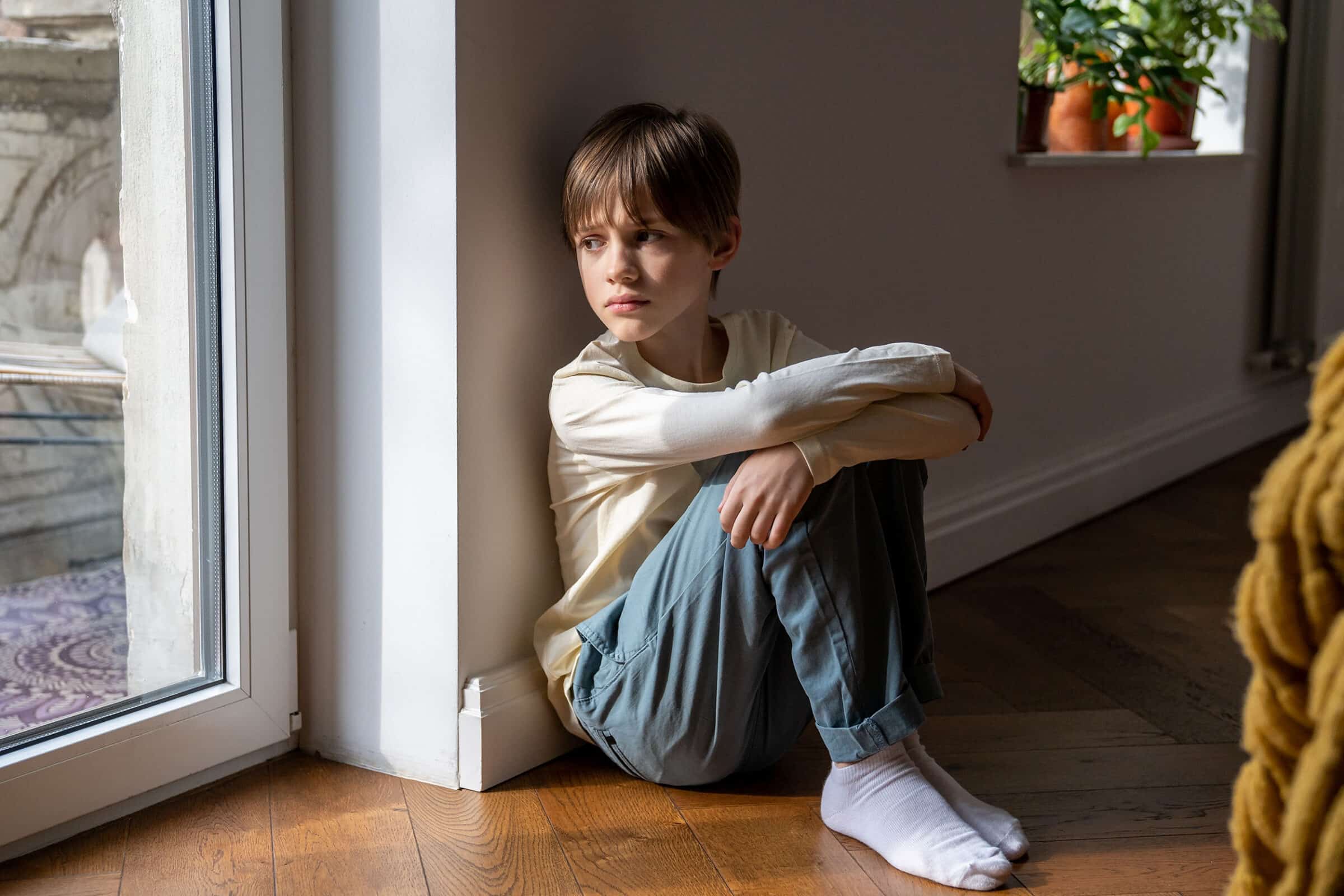
Understanding the types of mood disorders in children is the first step in finding the right interventions and moving toward lasting emotional stability. Because these conditions often overlap with other developmental challenges, diagnosing mood disorders in children requires a nuanced approach that looks beyond a simple checklist of behaviors.
1. Pediatric Depression
In children, depression rarely looks like the “lethargy” seen in adults; instead, it often manifests as a heightened state of agitation or irritability. Because children often lack the words to describe internal hopelessness, they “act out” their distress through their behavior.
Common Symptoms to Watch For:
- Emotional Sensitivity: Frequent crying episodes or an “easily triggered” temper over minor frustrations.
- Social Withdrawal: Avoiding previously loved playdates, isolating in their room, or a sudden “loss of interest” in activities that used to bring them joy.
- Physical Changes: Significant shifts in appetite (eating much more or less) and disrupted sleep patterns, such as insomnia or oversleeping.
- Somatic Complaints: Frequent headaches or stomachaches that have no clear medical cause, often appearing on school mornings
2. Pediatric Bipolar Disorder
Pediatric Bipolar Disorder is often misunderstood because the “cycles” can move much faster in children than in adults. Our evaluations focus on differential diagnosis to ensure these cycles aren’t confused with ADHD or trauma-related emotional storms.
Common Symptoms to Watch For:
- Manic/Hypomanic Phases: Periods of “pressured speech” (talking excessively fast), racing thoughts, or a decreased need for sleep without feeling tired the next day.
- Grandiosity or Impulsivity: Unusual levels of confidence or engaging in risky behaviors that are out of character for their developmental age.
- Depressive Lows: Following high-energy periods, the child may crash into deep lethargy, feelings of worthlessness, or intense sadness.
- Extreme Outbursts: Intense temper tantrums during mood shifts that feel significantly more explosive than a typical “meltdown”.
3. Disruptive Mood Dysregulation Disorder (DMDD)
DMDD was specifically created to address children who struggle with chronic, severe irritability rather than the episodic “highs and lows” of bipolar disorder. At the Center for Effective Treatment, we look for the “persistent” nature of these symptoms to provide a precise diagnostic clarification.
Common Symptoms to Watch For:
- Severe Temper Outbursts: Recurrent verbal or behavioral rages (such as physical aggression toward people or property) that occur, on average, three or more times per week.
- Developmental Inconsistency: Outbursts that are grossly out of proportion in intensity or duration to the situation and are not consistent with the child’s developmental level.
- Baseline Irritability: Between outbursts, the child’s mood is persistently irritable or angry for most of the day, nearly every day.
- Cross-Setting Impact: These symptoms are present in at least two different settings (such as home and school) and are severe in at least one.
What are the Common Causes of Mood Disorders in Children and Adolescents?

Mood disorders are rarely caused by a single factor; they are typically the result of a complex interplay between biology and environment.
Biological and Genetic Factors
Research suggests that brain-behavior relationships and genetics play a significant role. Children with a family history of mood disorders may have a higher predisposition to developing similar challenges.
Environmental Triggers
Chronic stress, family conflict, or significant life changes can trigger or exacerbate mood symptoms.
Traumatic Roots
Underlying trauma often plays a significant role in emotional dysregulation. Identifying the traumatic roots of addiction or mood instability is a core part of our diagnostic process.
How a Comprehensive Evaluation Changes the Narrative
A thorough mood disorder assessment looks beyond surface-level behaviors to identify the underlying cognitive and emotional patterns that drive them. At the Center for Effective Treatment, our evaluations for diagnosing mood disorders in children integrate clinical interviews, a deep dive into developmental history, and evidence-based cognitive testing to provide a clear and accurate understanding of your child’s lived experience.
Instead of guessing at a diagnosis, a formal evaluation provides an actionable roadmap for treatment. This ensures that subsequent therapies—whether they involve our expertise in DBT Boulder or specialized EMDR—are focused on your child’s specific needs and goals. This clarity is especially important as children transition into the higher demands of adolescence and the academic challenges discussed in our guide on ADHD and college students.
We’re Here for You and Your Family
According to the CDC, approximately 4.4% of children aged 3–17 have diagnosed depression, and many more struggle with undiagnosed mood instability. At the Center for Effective Treatment, our approach is shaped by compassion, clinical rigor, and a deep respect for neurodiversity.
We specialize in working with families who feel they have been failed by traditional care. If you are seeking a definitive understanding of your child’s emotional health, we are here to listen and guide you through the process.
Ready to move forward with confidence? Schedule a confidential consultation today to begin your journey toward clarity and healing.