

If you’ve reached for a drink to calm racing thoughts or quiet the tension in your chest, you’re not alone. A lot of people do this, and at the moment, it works. Alcohol genuinely reduces anxiety in the short term. The trouble is that the relationship between alcohol and anxiety attacks is more complicated than it looks, and for many people, regular drinking subtly works against them over time.
Why Alcohol and Anxiety Are So Closely Connected
Alcohol is a central nervous system depressant. When you drink, it enhances the activity of GABA, a neurotransmitter that slows brain activity and produces a calming effect. That’s why a glass of wine can take the edge off.
The problem is that the brain adapts to this over time. With regular alcohol use, the nervous system compensates by producing less GABA naturally and more glutamate, which is excitatory. When alcohol clears your system, you’re left with a brain that’s chemically primed for anxiety. In fact, research shows that chronic alcohol use disrupts the brain’s stress-response systems in ways that increase baseline anxiety.
This chemical imbalance is a major reason for the strong link between alcohol and anxiety attacks, as the “rebound” effect can trigger physical symptoms like a racing heart and shortness of breath that mirror or escalate into full-blown panic.
How the Cycle Between Alcohol and Anxiety Builds Over Time
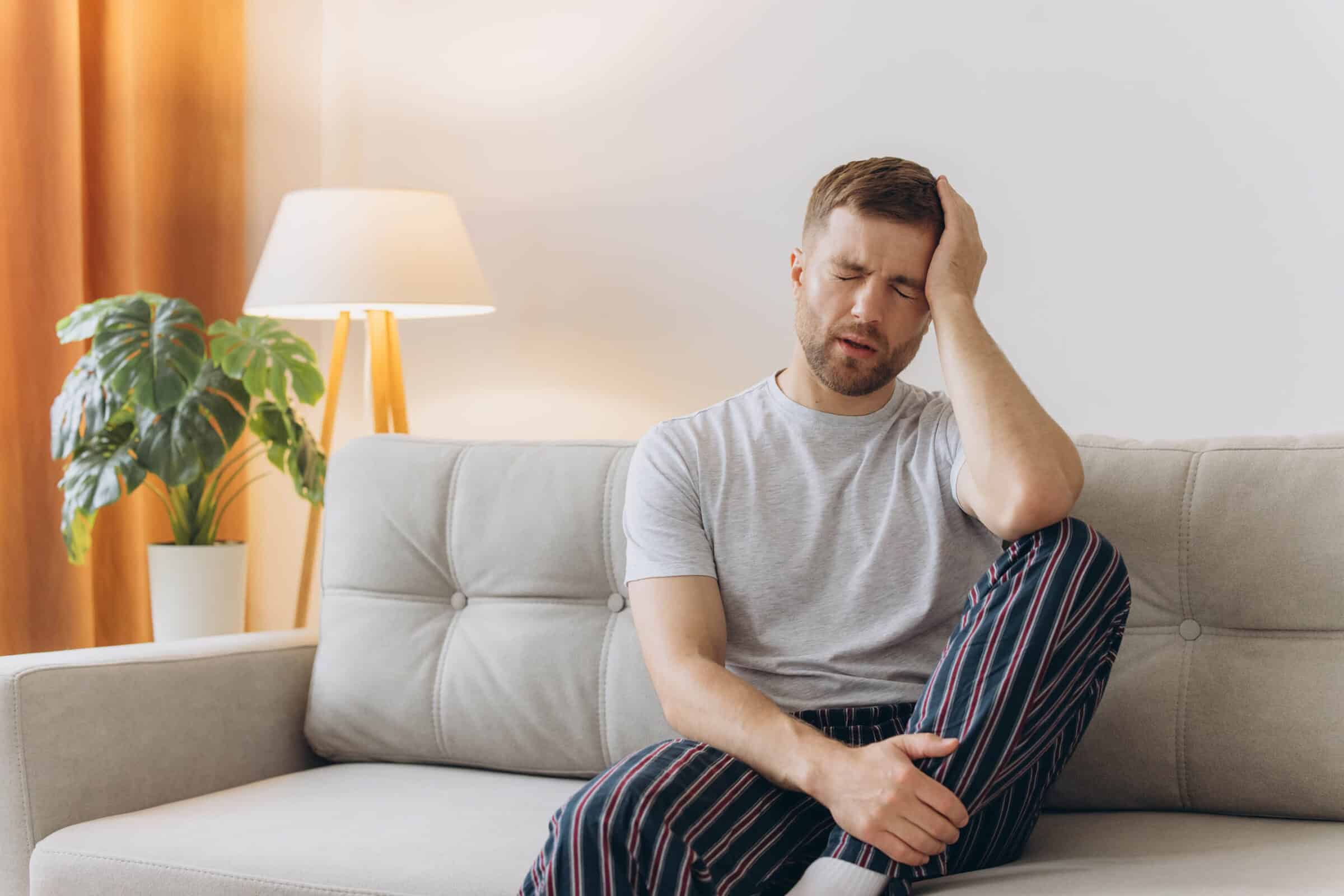
For many people, drinking and anxiety don’t stay separate for long. Alcohol becomes a way to sidestep uncomfortable feelings rather than move through them, and the anxiety avoidance cycle that follows is hard to notice until the pattern is already entrenched. Here are two main reasons alcohol and anxiety attacks go hand-in-hand:
The Rebound Effect After Drinking
Even after moderate drinking, many people experience a noticeable spike in anxiety as blood alcohol levels drop. This is sometimes called “hangxiety,” and for people with heavier drinking patterns, it can look a lot like a panic attack: racing heart, restlessness, dread, difficulty breathing. The discomfort often drives people to drink again to get relief, which reinforces the cycle. Research shows that alcohol-withdrawal anxiety is clinically significant and frequently goes unrecognized, particularly in people who don’t think of their drinking as a serious problem.
Social Anxiety and Alcohol Use
Social anxiety disorder and problematic drinking have a well-documented relationship. People with social anxiety often start using alcohol specifically to get through social situations, what researchers call “drinking to cope.” Over time, confidence in their own ability to handle those situations erodes, and reliance on alcohol grows. Research suggests that 20% of people with social anxiety disorder also meet criteria for alcohol use disorder.
Signs That Alcohol May Be Making Your Anxiety Worse
It’s not always easy to see when alcohol has shifted from something enjoyable into something that’s feeding anxiety. These are some things worth paying attention to:
- Feeling anxious, restless, or irritable the morning after drinking
- Drinking specifically to calm down or stop anxious thoughts
- Noticing anxiety is worse on days you’re not drinking
- Anxiety has gotten worse overall, even as drinking has increased
- Needing a drink to get through social events or stressful situations
- Experiencing what feels like panic during or after withdrawal
Treating Alcohol Use and Anxiety at the Same Time
This is one of the most important things to understand: anxiety and alcohol use disorder are not separate problems to tackle one at a time. They’re connected, and real progress usually means treating both together. At the Center for Effective Treatment, we work with people whose situations are too layered for most providers, including people who’ve been told they need to get sober before addressing their mental health. That’s a barrier that keeps a lot of people from getting help, and it’s not well-supported by the evidence.
Evidence-Based Approaches We Use
- Dialectical Behavior Therapy (DBT): DBT teaches practical skills for tolerating distress, regulating intense emotions, and reducing impulsive behaviors like reaching for alcohol when anxiety spikes. We run one of only two fully adherent DBT programs in Colorado, trained directly by Behavioral Tech.
- EMDR Therapy: Unresolved trauma frequently underlies both anxiety and substance use. EMDR is an effective trauma treatment, and we offer EMDR Intensives (four-hour extended sessions) for people with complex histories who haven’t made progress with standard weekly therapy.
- Harm Reduction: Not everyone is ready to pursue complete abstinence, and that shouldn’t be a reason to withhold care. Harm reduction psychotherapy is a legitimate, evidence-based approach that meets people where they are. Reducing alcohol use, even gradually, can meaningfully reduce anxiety before full sobriety is the goal.
- Psychological and Neuropsychological Evaluations: Because anxiety disorders vary widely, accurate assessment matters. We offer in-house evaluations to understand your specific experience rather than working from a broad diagnosis.
Getting Help for Alcohol and Anxiety Attacks
If you’ve tried therapy before and it didn’t work, or if you’ve been turned away because your situation seemed too complex, that’s a pattern we hear often. It’s also exactly who we’re here for. The cycle between alcohol and anxiety attacks is real, well-researched, and treatable. You don’t need to have everything figured out before reaching out. Schedule a confidential consultation to talk through what treatment might look like for you.